

 Polski
Fake UODO Inspections and New Bands for Anti-Drone Radars – Weekly Roundup
On one hand, criminals are impersonating Poland's data protection regulator to gather information about specific, outdated CCTV cameras. On the other, the US telecom regulator is preparing to open new frequency bands that could accelerate the development of drone-detection radars. Here's what this means for the security industry.
01 · Phishing and CCTV
When a Fake GDPR Audit Is Really Camera Reconnaissance [1]
Let's start with a warning that CSIRT GOV passed on to Poland's Personal Data Protection Office (UODO) on October 19, 2026. It concerns a phishing campaign aimed specifically at companies that install video surveillance systems. The scammers send emails disguised as data-protection compliance audits, asking for end-user data, exact installation locations, IP addresses, serial numbers, and camera firmware versions.
At first glance, such a request might look like just another piece of bureaucracy — a "GDPR audit" is nothing new in this industry. The problem is that the actual goal of the attack is entirely different. This combination of information makes it possible to precisely identify which devices are running outdated software, and therefore which cameras are the easiest target for takeover or for use as an entry point into a client's network. UODO reacted quickly and firmly denied the claims: the office has never collected this kind of data and never sent any such messages to installation companies.
For the industry, this is a reminder that the line between physical security and cybersecurity has essentially disappeared. A company installing cameras today is responsible not only for setup and configuration, but also for making sure its clients don't fall victim to carefully planned reconnaissance that precedes the real attack. Verifying the sender, keeping firmware up to date, and maintaining healthy skepticism toward "audits" arriving by email should become standard procedure for every CCTV integrator, regardless of company size.

02 · Counter-Drone Technology
FCC Prepares New Frequencies for Drones and Counter-Drone Systems [2]
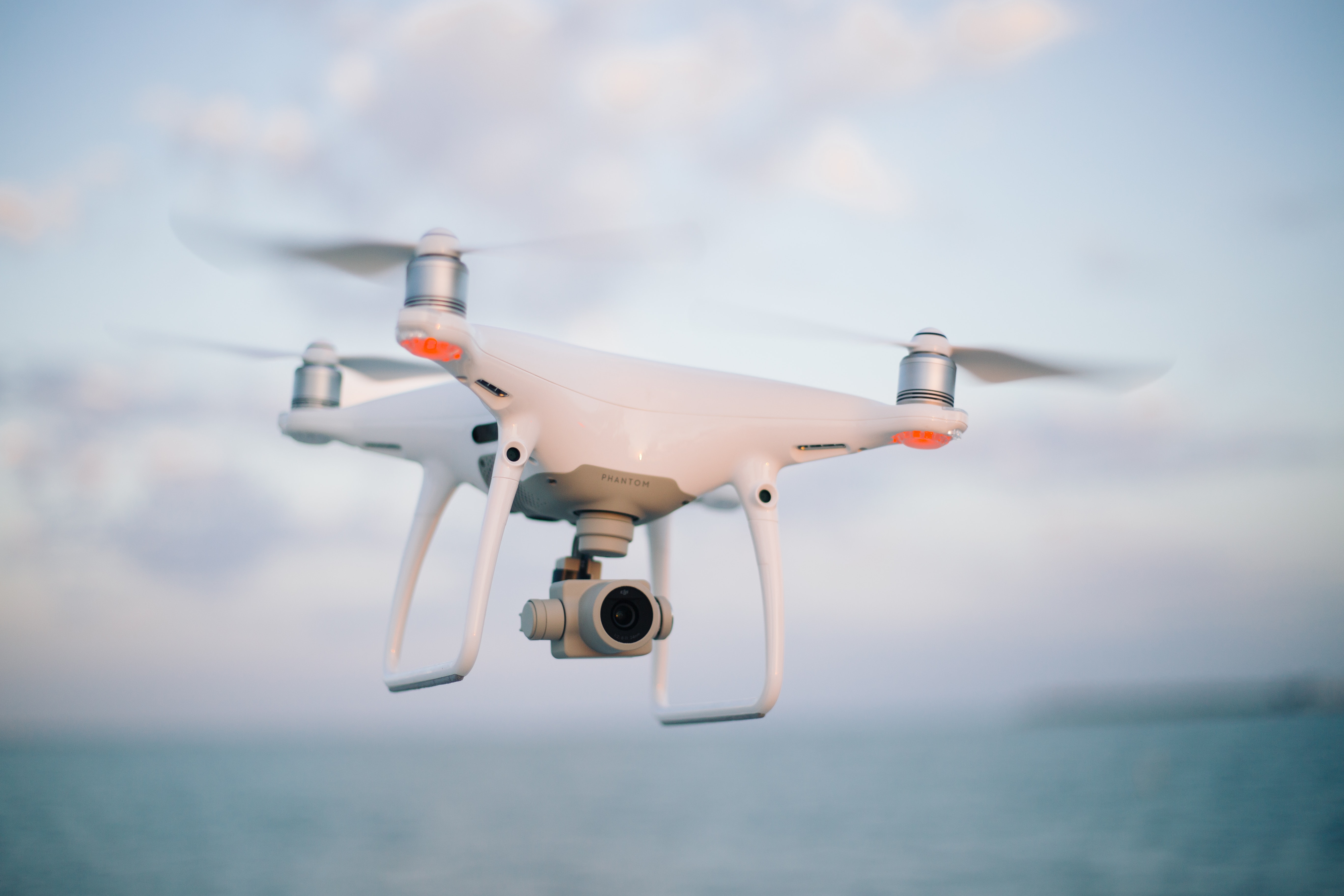
On the other side of the Atlantic, something is happening that could affect a completely different segment of the market — one that's just as important for protecting critical infrastructure. The US Federal Communications Commission (FCC) announced on October 29, 2026, that at a meeting scheduled for November 19 it will take up three regulatory proposals concerning drone communications and counter-drone technology.
The first proposal concerns modernizing data links in the 450 MHz band between drones and ground stations. The second — likely the most significant for the critical-infrastructure and airport security sector — would open up the 24.45–24.65 GHz band for radars detecting drones near airports, national borders, and critical facilities. The third proposal expands satellite communication capabilities in the 28.35–28.6 GHz band.
Together, these measures aim to simplify the current, fairly fragmented regulations and pave the way for faster development of commercial counter-drone systems in the United States. If the November vote results in these proposals being adopted, airport operators, critical infrastructure managers, and security companies could soon gain access to a new generation of radars with improved sensitivity for detecting small, low-flying objects — exactly the kind of targets that give today's counter-drone systems the most trouble. This is a topic worth watching from a European perspective too, since the radar market in this segment rarely stays confined to one continent.
03
Two Worlds, One Challenge
These two stories, though they concern entirely different technologies, share one common thread: the pace at which the threat and regulatory landscape in the security industry is changing. On one hand, video surveillance cameras today need to be protected against sophisticated social-engineering reconnaissance that precedes the actual attack. On the other, it's necessary to keep track of changes in radio regulations that, within a few months, could open up entirely new possibilities for detecting drones over airports and critical facilities. The security, cybersecurity, and critical-infrastructure-protection industry has to respond on both fronts at once, because the boundaries between them are increasingly blurred.
If you'd like to talk in person about how to protect CCTV systems from social-engineering attacks, or see the latest radars and counter-drone systems in action, join us at the Warsaw Security Expo. It's there that integrators, manufacturers, and cybersecurity experts exchange experience and showcase solutions that address exactly the issues covered in this roundup.
Invitation
Want to know how to protect surveillance cameras from social-engineering reconnaissance, or see next-generation anti-drone radars live in action? Visit the Warsaw Security Expo and talk to the integrators and manufacturers tackling exactly these challenges. It's the place where cybersecurity, video surveillance, and critical infrastructure protection all meet under one roof.
Warsaw Security Expo 2026Przypisy
[1] Sekurak.pl — https://sekurak.pl/phishing-na-uodo-oszusci-wyludzaja-dane-o-monitoringu-wizyjnym/[2] DroneLife — https://dronelife.com/2026/10/29/fcc-drone-communications-counter-drone-radar-rules/
This review was prepared by the Ptak Warsaw Expo editorial team.